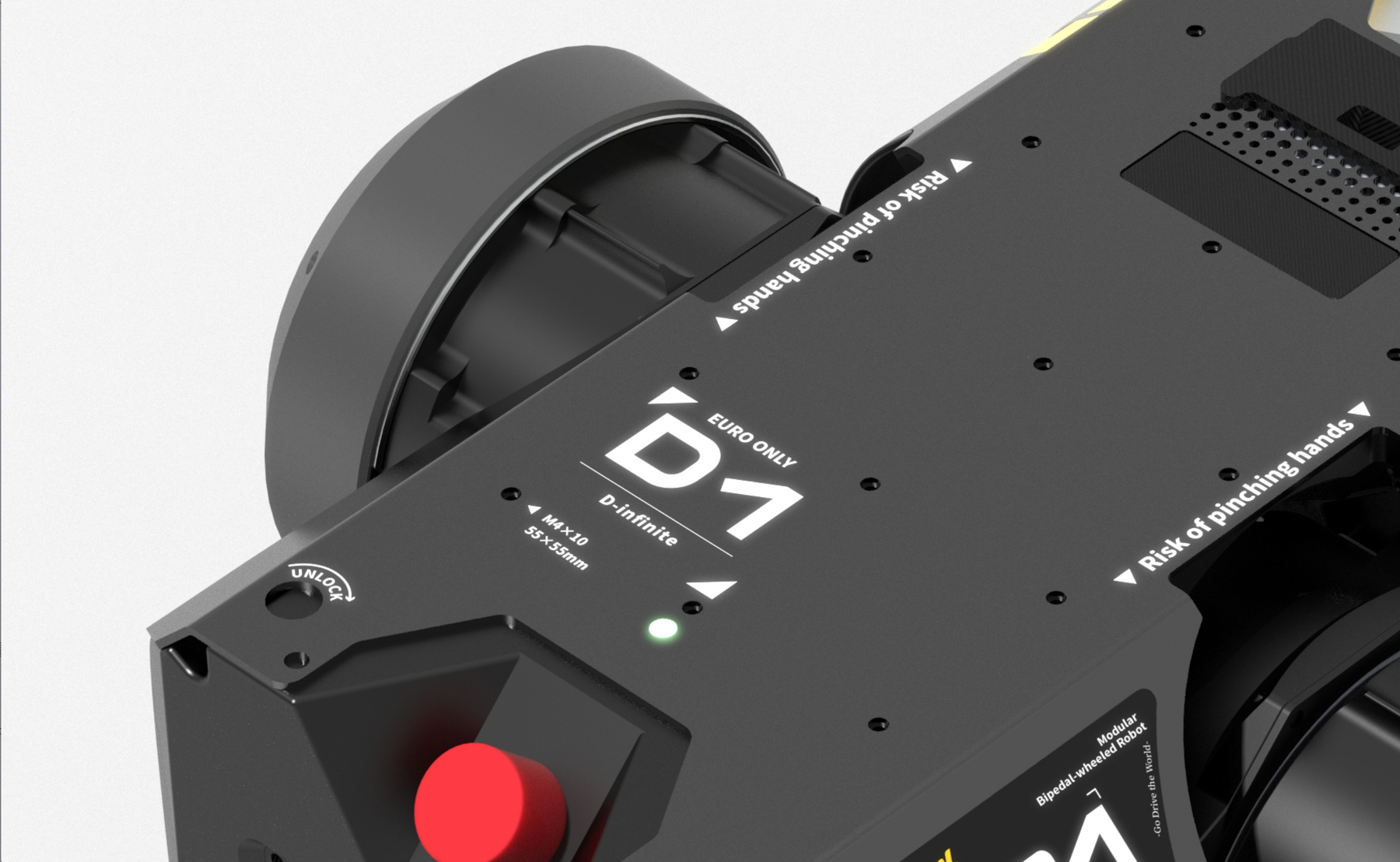
Field trials for the DirectDriveTech D1 platform require a structured preparation process covering hardware inspection, software validation, environmental testing, safety checks, and data collection. A complete checklist helps teams verify robot readiness before outdoor deployment. For a field test involving 20–50 mission cycles, teams should evaluate battery endurance, mobility stability, sensor accuracy, communication range, and recovery performance. The goal is to confirm that the robot can operate reliably outside controlled environments with measurable results.
A successful deployment starts with hardware preparation because mechanical and electrical reliability directly affect field performance. Before transportation, engineers should inspect actuators, joints, sensors, batteries, computing units, and protective structures. Many robotics teams follow acceptance procedures based on repeated operation tests, often running components for several hours before field use. For example, battery systems are commonly tested beyond the planned mission duration by 20% or more to avoid unexpected shutdowns.
The hardware checklist should include:
| Category | Inspection Items |
|---|---|
| Actuation system | Joint movement, motor temperature, torque response, abnormal noise |
| Battery system | Charging performance, voltage stability, runtime estimation |
| Sensors | Camera alignment, IMU calibration, depth sensing accuracy |
| Computing hardware | Processor temperature, memory usage, storage capacity |
| Mechanical structure | Fastener condition, frame damage, protection covers |
Battery performance requires additional attention because outdoor missions usually last longer than indoor demonstrations. A robot operating for a planned 90-minute mission should normally complete tests exceeding 110 minutes under similar conditions. Temperature monitoring is also important because lithium battery efficiency can decrease when operating below 0°C or above 45°C.
Hardware checks lead naturally to environmental preparation because field conditions determine how the robot components perform. Outdoor environments introduce uneven surfaces, changing lighting, dust, moisture, and communication limitations that rarely appear during laboratory testing.
Before deployment, teams should collect environmental information:
-
Terrain type, including concrete, grass, gravel, and slopes
-
Surface inclination and obstacle distribution
-
Temperature and humidity range
-
Lighting conditions during operation
-
Available communication coverage
For example, vision-based navigation systems may require additional calibration when moving from indoor lighting to outdoor sunlight. A camera model trained under controlled illumination may experience lower detection accuracy when shadows, reflections, or low-light conditions appear. Field trials should include different operating periods, such as morning, afternoon, and evening tests, to measure performance changes.
Outdoor testing should evaluate the robot under realistic conditions rather than only confirming successful movement in controlled areas.
Environmental assessment connects directly with navigation and software validation because perception and control systems determine how the robot responds to changing surroundings. The DirectDriveTech D1 platform integrates multiple software layers, including motion control, sensor processing, autonomous navigation, and task execution functions.
Software preparation should verify:
-
Firmware consistency
All controllers should run approved firmware versions. Different software versions between motor controllers and the main computer may create communication errors or unstable movements.
-
Navigation performance
Teams should test localization accuracy, path planning, and obstacle avoidance before field deployment. A navigation system should be evaluated through repeated runs, such as 30 or more routes, instead of a single successful demonstration.
-
Data recording
Logging systems should capture sensor information, system status, battery levels, and error messages. Recording frequency should match the testing requirements, with many robotics applications collecting data at 10–100 Hz depending on sensor type.
-
Recovery functions
The robot should have predefined responses when sensors fail, communication drops, or unexpected obstacles appear.
Software reliability determines how effectively the robot handles real situations, which makes mission planning the next important preparation step. Field trials should not only test whether the robot moves but also measure specific tasks with clear evaluation standards.
A practical mission evaluation table may include:
| Test Area | Measurement Method |
|---|---|
| Walking ability | Speed, slope handling, terrain adaptation |
| Navigation | Route completion rate, positioning error |
| Task execution | Completion time, success percentage |
| Energy usage | Power consumption per mission |
| Reliability | Number of failures during repeated tests |
For example, a navigation trial may require the robot to complete 50 planned routes, recording the number of successful runs and the causes of failed attempts. A completion rate above 90% after repeated testing usually indicates that the system is suitable for further application trials.
Mission evaluation also depends on communication performance because many field robots require remote monitoring and data transmission. Wireless connection quality can change significantly when robots move behind buildings, trees, or other physical structures.
Communication testing should measure:
| Parameter | Example Target |
|---|---|
| Operating distance | Maximum stable communication range |
| Response delay | Command transmission latency |
| Video transmission | Streaming stability |
| Data upload | Log transfer reliability |
A field robot should continue safe operation when communication is temporarily interrupted. In many autonomous systems, loss of connection triggers behaviors such as stopping movement, waiting for recovery, or returning to a predefined location. Testing these responses reduces risks during outdoor deployment.
Communication verification connects with safety preparation because human operators often work near robots during field trials. Safety procedures should be completed before any public or shared environment testing.
Safety checks should cover:
-
Emergency stop operation
-
Motor force limitation
-
Collision detection response
-
Operator training
-
Safe testing distance
Emergency stop systems should be tested repeatedly, such as 10–20 times before deployment, to confirm consistent response. Operators should understand normal behavior, abnormal signals, and shutdown procedures before starting field activities.
A reliable field robot should complete assigned tasks and also respond safely when operating conditions change.
After preparation is complete, the field trial phase should follow a controlled testing schedule. Each test should record the robot configuration, environment information, software version, and mission result. Detailed records allow engineers to compare performance between different conditions.
A typical field trial record includes:
| Record Item | Information Collected |
|---|---|
| Date and location | Testing environment |
| Robot setup | Hardware and software versions |
| Mission type | Navigation, inspection, or interaction task |
| Result | Success, failure, recovery process |
| System data | Battery, temperature, sensor status |
Data collection should continue throughout the entire testing period. A trial involving 30 missions may reveal performance differences that are not visible during the first few runs. For example, repeated temperature increases after long operation may indicate the need for improved cooling or software adjustment.
Post-trial analysis transforms field records into improvements for future deployments. Engineers should review mission completion rates, failure causes, battery performance, and sensor reliability after each testing stage.
The review process may include:
-
Comparing planned and actual mission results
-
Identifying repeated error patterns
-
Adjusting control parameters
-
Updating software versions
-
Improving operating procedures
A structured review after every test phase helps teams prepare the next deployment cycle. Many robotics development programs use several rounds of field validation, gradually increasing mission difficulty from simple movement tests to complex autonomous tasks.
The deployment checklist for the DirectDriveTech D1 platform provides a practical workflow for moving from laboratory evaluation to outdoor operation. Hardware inspection, environmental testing, software verification, communication checks, safety preparation, and performance analysis together create a complete field trial process. With detailed records and repeated validation, robot teams can improve reliability and expand applications across inspection, research, and industrial environments.